
What you might have been told
That it is stress, or the water, or just something you have to accept now that you live here. That there is nothing to be done, or that you should buy the first scalp product you can find and hope.
Here’s what’s actually happening
Often, the concern sits at the scalp rather than the strand. The scalp is skin, and like the skin on your face it has an environment that can tip out of balance. When it does, the hair growing from it can struggle. So a scalp that feels tight, flaky or oily, or a season of more shedding than usual, is frequently a sign that the environment at the root has shifted, not that anything is broken. Reset that environment and the hair often responds.
A new climate can play its part. Hard water and a big change in surroundings are real, and they can leave the scalp less settled than it was at home. That is the environment at work, not a failing in you.
One honest note. Shedding and thinning can have many causes, and some sit with your health, not your hair, things like changes after having a baby, thyroid, iron levels, medication or stress. Those are for a doctor, and if your shedding is sudden, patchy or heavy, seeing your GP first is always the right move. What a salon can do is read the scalp and the hair, care for the environment where that is the story, and tell you honestly when something is better looked at by a doctor.
It’s no wonder you didn’t know
Scalp care is rarely explained. Most women are sold shampoo, not an understanding of the skin their hair grows from, and nobody separates the part a salon can help with from the part that belongs with a doctor. So the worry sits with you, unnamed. It is no wonder it felt confusing. That was never yours to untangle alone.
What this means for you
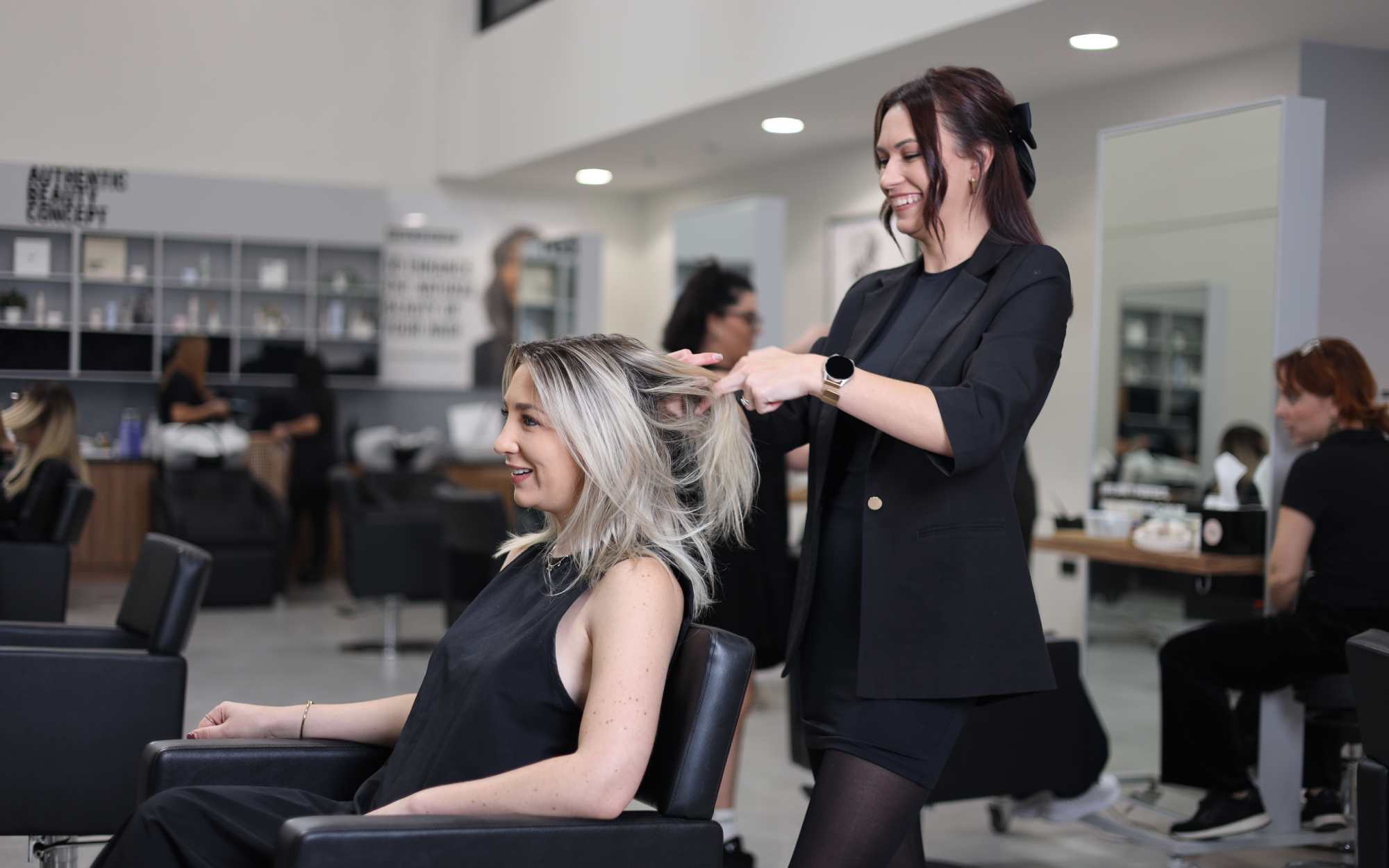
The first step is not a product, it is understanding. At a consultation your stylist reads your scalp and your hair, names what they can see, and where the concern is the scalp environment, prescribes the reset that supports it, the way a facialist would calm and rebalance skin that had tipped out of sorts. And if what they see is better checked by a doctor, they will tell you plainly and kindly. You stop guessing, and you get a clear, honest picture of your own hair.